

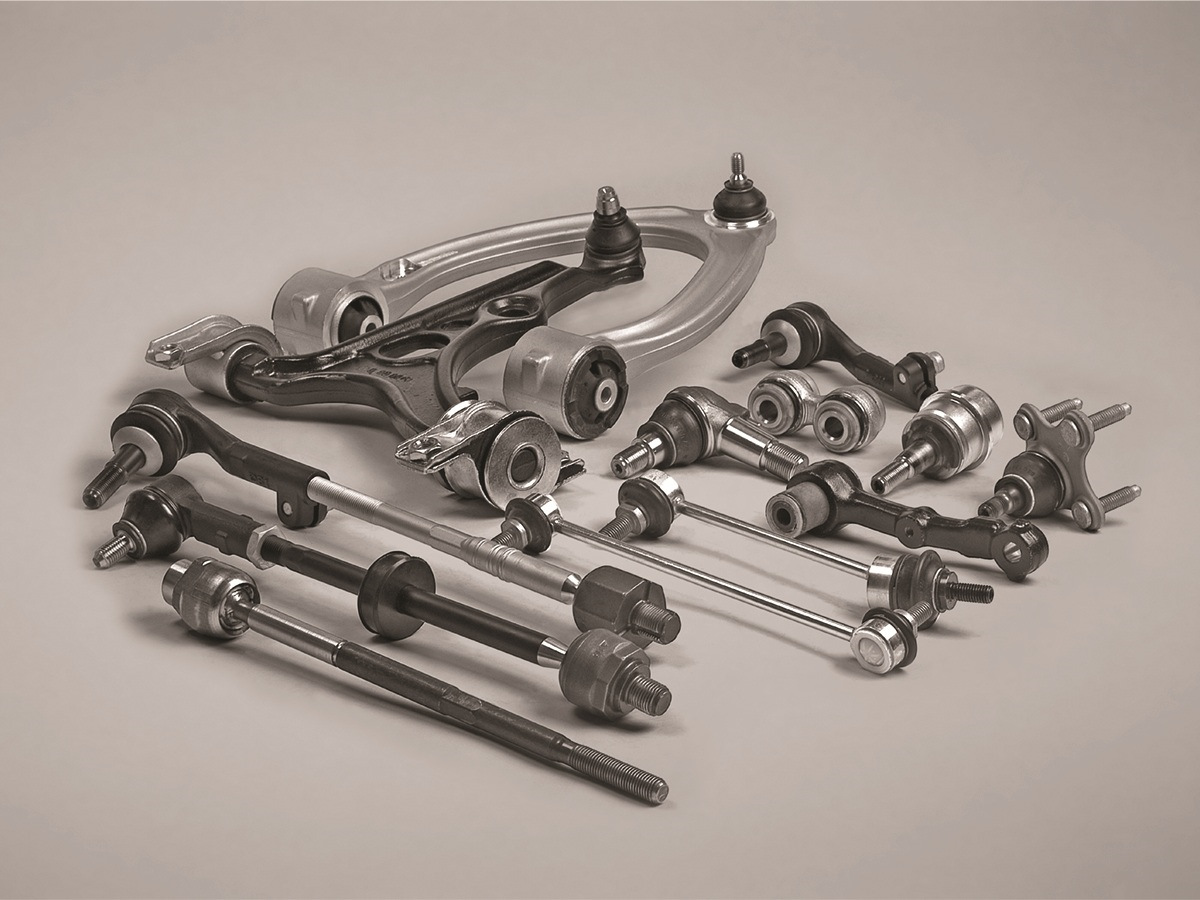
Why Are Japanese Car Parts Suppliers Leading the Global Market in 2026?
Posted on Dec 24, 2025
The global automotive industry is evolving quickly, and by 2026 one trend has become very clear: Japanese car parts suppliers are dominating the worldwide market more than ever. Whether you own a Toyota, Nissan, Honda, Mitsubishi, or Mazda, you’ve probably noticed that Japanese parts remain the preferred choice for workshops, wholesalers, and car owners across the world.
But what makes Japanese auto spare parts so trusted and in such high demand? Why are Japanese car parts dealers and suppliers still leading even with growing competition from Europe, China, Korea, and the Middle East? In this blog, we break down the reasons behind this long-standing success and what sets Japanese manufacturing apart in 2026.
Japanese Parts Are Known for High Quality and Reliability
Quality is the biggest reason Japanese auto spare parts remain ahead. Japanese manufacturers follow strict production standards, advanced engineering methods, and detailed quality-control processes. Each component is tested for precision, durability, heat resistance, safety, and long-term performance.
This means that even after years of use, Japanese parts continue to deliver steady performance with fewer failures. Workshops prefer them because they lead to fewer customer complaints, and car owners trust them because they extend the lifespan of the vehicle.
Advanced Technology and InnovationJapan has always been recognized as a global leader in automotive technology. In 2026, this gap has widened due to continuous innovation in:
Hybrid and electric vehicle components
Fuel-efficient engine technologies
Advanced braking systems
Lightweight but strong materials
Eco-friendly manufacturing processes
Because Japan invests heavily in R&D, Japanese car parts suppliers consistently offer more innovative and better-performing parts than many other countries. This gives them an edge in both modern and traditional vehicle segments.
Stronger Compatibility Across Global Car ModelsMany of the world’s most popular car brands originate from Japan. This means parts produced by Japanese suppliers are widely compatible with millions of vehicles on the road. Additionally, Japanese auto spare parts are known for precise fitment, which reduces installation time and ensures improved performance.
Workshops and wholesalers choose Japanese brands because they know these parts are designed to match original specifications and deliver consistent results.
Strict Certification and StandardsAnother reason Japanese car parts dealers continue to lead the market is their commitment to high industry standards. Japan enforces strict certifications such as JIS (Japanese Industrial Standards) and ISO compliance. These certifications ensure each part is manufactured with attention to detail and follows global quality norms.
This level of reliability builds trust between suppliers, workshops, and end users, strengthening Japan’s global leadership.
Long-Term Cost EfficiencyEven though Japanese car parts may cost slightly more than cheaper alternatives, they save money in the long run. Because they last longer and perform better, car owners avoid frequent repairs, breakdowns, or replacements. Mechanics prefer Japanese parts because they reduce the risk of vehicle comeback issues after servicing.
In 2026, customers have become more aware of long-term value, which is why high-quality parts are preferred over low-cost imitations.
Wide Global Distribution NetworkJapanese car parts suppliers have built powerful global distribution networks over the years. This means spare parts are easily available in major markets such as the UAE, Saudi Arabia, Africa, Europe, the United States, and Asia.
Japanese car parts dealers also maintain strong relationships with wholesalers and retailers, ensuring stable supply even during times of global disruption. This reliability encourages more businesses to rely on Japan for consistent stock availability.
Strong Reputation and TrustTrust plays a major role in the automotive industry. Japanese brands have built a reputation for honesty, product quality, and transparent business practices. This makes buyers more confident when choosing Japanese auto spare parts, especially when compared to markets known for counterfeit or low-grade components.
Many car owners specifically request Japanese parts because they believe in the brand’s long-term performance and safety.
Leader in Hybrid and EV Spare Parts GrowthAs hybrid and electric vehicles become more popular in 2026, Japanese suppliers are leading the market in producing components for these modern cars. With companies like Toyota and Honda being pioneers in hybrid technology, their suppliers are already ahead in:
Electric motor components
Hybrid battery systems
Regenerative braking parts
Advanced sensors
Energy-efficient engine components
This ensures Japanese suppliers remain at the forefront of the fast-growing EV and hybrid spare parts industry.
Focus on Sustainability and Green ManufacturingEnvironmental responsibility is now a priority worldwide. Japanese auto manufacturers and parts suppliers are known for eco-friendly and sustainable production methods. This makes them attractive partners for countries trying to reduce their carbon footprint.
From reducing waste in factories to using recyclable materials, Japanese suppliers maintain green manufacturing practices that appeal to modern customers and global brands.
ConclusionIn 2026, Japanese auto spare parts continue to lead the global market because of their unmatched quality, strong reputation, advanced technology, and reliability. Japanese car parts dealers and suppliers have built trust over decades and continue improving through innovation and high manufacturing standards.
Whether you are a car owner, workshop, or wholesaler, choosing Japanese parts ensures safety, durability, and long-term value. Their commitment to excellence is exactly why Japan remains the leader in the global automotive parts industry.